

What to Do Once You Reach Your Health or Weight Goal
Mar 23, 2026Reaching a health or weight goal is a big deal. It represents time, effort, commitment, and often a lot of personal growth along the way. Yet, once the goal is achieved, it’s easy to rush past the accomplishment and start thinking about what’s next. It's so important, however, to pause and to celebrate what you’ve achieved - both for your confidence and for building on your success.
“Reaching your goal isn’t the end. It’s the beginning of a new relationship with your body and with yourself.”
The Unfamiliar Feeling of Success

For many, reaching a goal can feel surprisingly unfamiliar. After focusing on losing or gaining for so long, stepping into this next phase can feel like uncharted territory. You might be facing questions such as:
-
What should I focus on now?
-
How do I live without a clear goal driving every decision?
This uncertainty doesn’t mean anything has gone wrong - it simply means that you're at a different stage in your journey.
Shifting Purpose, Not Habits

Up until now, your actions were likely guided by a very specific purpose: reaching the goal. Once it’s achieved, habits often stay the same, but the reason behind them begins to shift. This change in purpose can feel subtle, and surprisingly uncomfortable for many.
You might start thinking that reaching the goal means you need to change your habits, or that without a constant push, everything will start to unravel. In reality, the shift is often about changing the purpose behind your habits, not changing the habits themselves.
-
From losing weight → to maintaining health;
-
From living with fear → to living with calm and self-trust;
-
From focusing on food and weight → to seeing them as part of life.
What might seems like it requires more effort, is actually about allowing yourself to stay where you are.
Living in Your Goal Space
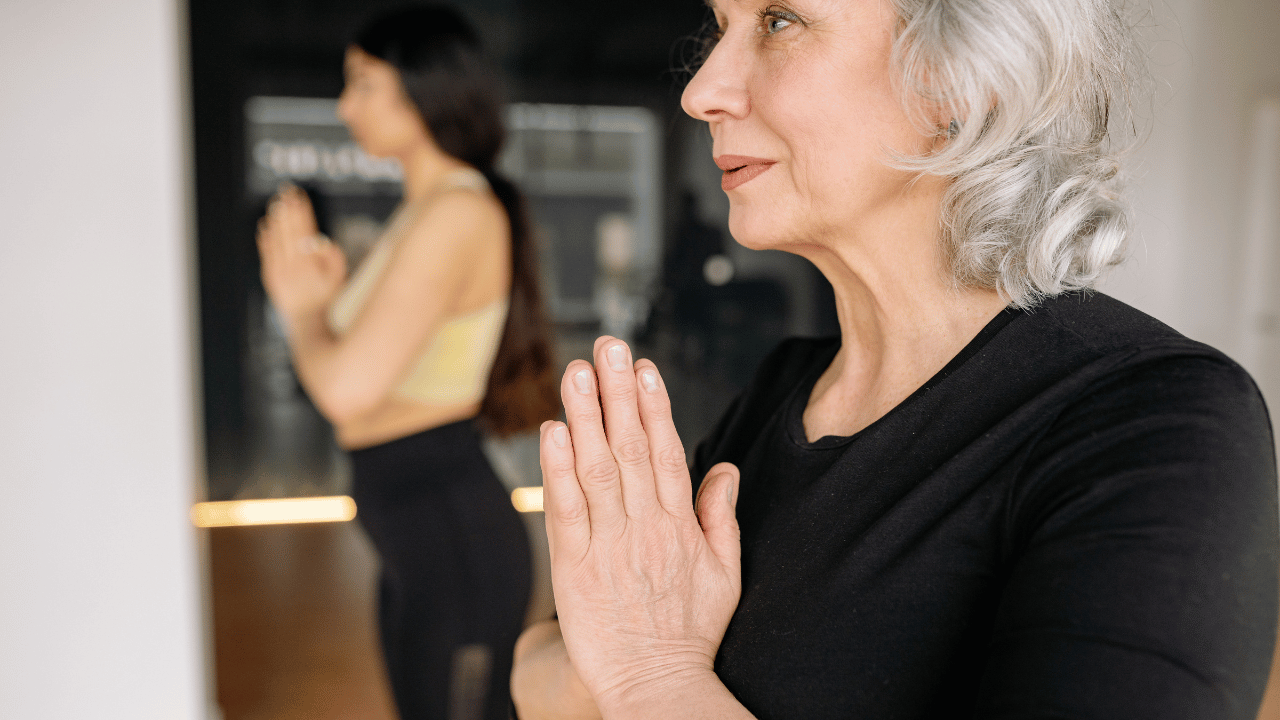
Living in this “goal space” is less about discipline and more about trust:
-
Trust that your habits are supportive;
-
Trust your ability to respond to your body;
-
Trust that consistency doesn’t have to be rigid to be effective.
Your body will continue to fluctuate, your energy will ebb and flow, and your life will continue - none of this means you're failing or slipping backwards.
Using Habits as Acts of Care

This phase invites you to create a new relationship with your habits. Instead of using them to chase an outcome:
-
Habits become acts of care;
-
Numbers or rules take a backseat to listening to your body;
-
Confidence grows from internal guidance, not external metrics.
Progress looks different here too. Some periods feel energising and expansive, while others are steadier and quieter. Even when nothing seems to change on the outside, there’s a lot happening underneath:
-
Your nervous system is settling;
-
Your identity is catching up;
-
Your body is learning it’s safe to stay where it is.
Reflection and Continued Direction

This stage is also an opportunity for you to reflect. The lessons you've learned about what supports your health can guide your future choices. Your focus can shift from cycles of gaining and losing to refining a lifestyle that works sustainably.
You might want to ask yourself the following questions:
-
“Why am I choosing this right now?" Is it caring and supportive, or motivated by worry?
-
“Does this support the way I want to live in my body?”
Maintaining health isn’t about chasing another number. It’s about continued direction:
-
Strength;
-
Flexibility;
-
Energy;
-
Confidence;
-
Creating a lifestyle that supports your wellbeing.
This small shift in perspective can make a big difference in how life feels on an ongoing basis.
Finding Balance

Balance becomes key. Many people fall into all-or-nothing thinking while working toward a goal, but this is exhausting and unsustainable.
The middle ground is where flexibility, self-care, and balance live - where habits stop feeling like rules and start feeling like support. Over time, these consistent behaviours begin to shape your identity, where your actions are maintained not out of obligation, but because they align with the way you want to live.
Final Thoughts

If you’re wondering how this looks in real life, it’s less about changing what you’re doing and more about noticing why you’re doing it.
Give yourself permission to stay here. There’s no need to push, tighten things up, or rush into the next goal unless that feels inspiring and motivating to you. Staying steady, letting things settle, and trusting yourself is part of what makes this phase work long term.
